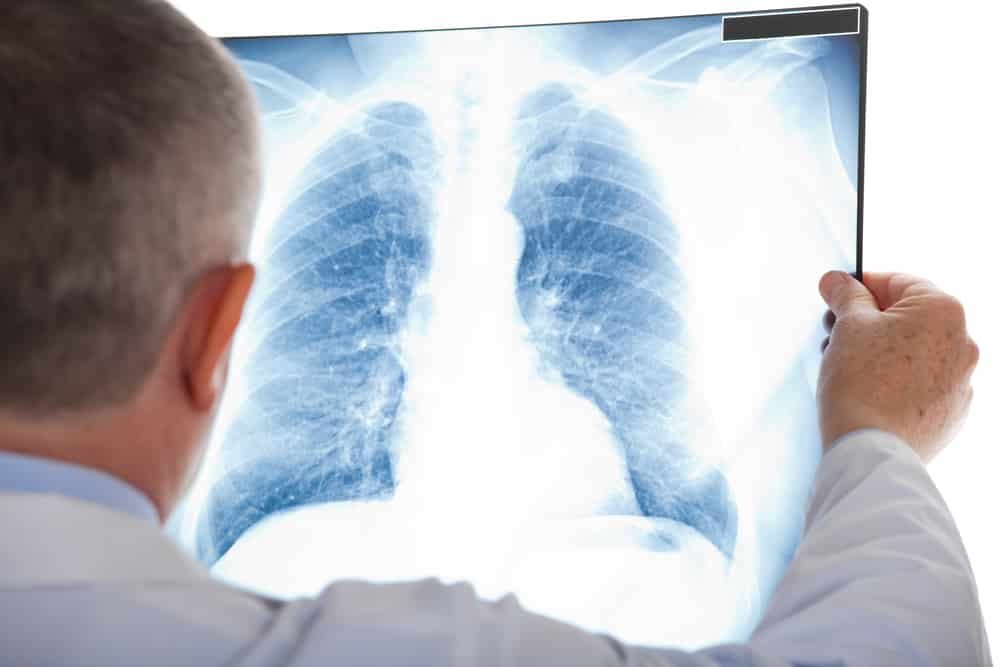
Radiology has experienced significant technological advancements over the past two decades. Many healthcare organizations began their digital transformation with computed radiography, which replaced film processing while allowing existing X-ray equipment to remain in service. Today, an increasing number of hospitals are moving toward digital radiography to improve workflow, image quality, and operational efficiency.
Understanding the transition from CR radiology to DR radiology helps healthcare leaders make informed decisions about future imaging investments.
The Beginning of Digital Imaging
When computed radiography first became widely available, it offered healthcare providers an effective way to digitize medical imaging without replacing their existing radiography equipment.
Technologists captured images using reusable imaging plates housed inside cassettes. After exposure, they processed the cassette in a dedicated CR reader to generate digital images.
This approach represented a major improvement over film while introducing digital storage, image sharing, and electronic archiving.
For many years, CR images became the standard across hospitals and diagnostic centers worldwide.
Why Healthcare Is Moving Toward DR
Although computed radiography improved efficiency compared with film, it still depends on several manual workflow steps.
Modern digital radiography replaces cassette-based imaging with a digital detector that captures and transfers images almost instantly.
This direct workflow allows technologists to review image quality immediately, reducing delays and minimizing repeat examinations caused by positioning errors.
Healthcare providers increasingly choose digital radiography systems because they improve both clinical productivity and patient experience.
Workflow Improvements Across Departments
One of the greatest advantages of DR radiology is workflow efficiency.
Without cassette handling and CR reader processing, imaging departments complete examinations more quickly and increase patient throughput.
Immediate image availability also enables radiologists to begin interpretation sooner, supporting faster diagnosis and treatment planning.
Departments performing high patient volumes often find that digital workflows improve scheduling flexibility while reducing operational bottlenecks.
Better Imaging Performance
Advancements in detector technology have enhanced image quality while supporting more consistent diagnostic outcomes.
Modern DR imaging systems provide excellent spatial resolution, improved contrast, and intelligent image processing that assists radiologists during interpretation.
These improvements help clinicians visualize subtle anatomical details across chest imaging, trauma examinations, orthopedic studies, and general radiography.
The combination of advanced digital detector technology and sophisticated software continues to raise the standard for diagnostic imaging.
Preparing for the Future
Healthcare organizations continue investing in technologies that improve efficiency while supporting future innovation.
Modern digital radiography systems integrate seamlessly with enterprise imaging platforms, cloud-based workflows, and emerging artificial intelligence applications.
Facilities transitioning from computed radiography position themselves to benefit from future software enhancements without relying on aging cassette-based infrastructure.
A Natural Evolution
The transition from CR radiology to digital radiography represents more than a technology upgrade. It reflects a broader commitment to faster workflows, improved diagnostic confidence, and better patient care.
As healthcare organizations modernize their imaging departments, advanced DR imaging solutions continue to support efficient operations while delivering the high-quality images clinicians depend on every day.