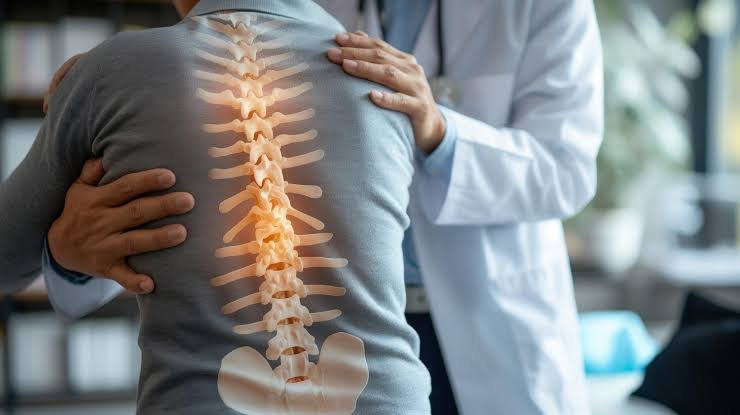
When back pain reaches the point where professional help is clearly needed, most people face a confusing landscape. There are physiotherapists, chiropractors, orthopaedic surgeons, pain management specialists, and various non-surgical spinal clinics – each with different approaches, different emphases, and different claims about what they can achieve.
Navigating this landscape without a framework is difficult, and the stakes of making an uninformed choice are not trivial: the wrong treatment direction can mean months of ineffective care, unnecessary procedures, or the loss of a window for genuinely effective non-surgical intervention. Understanding what to look for – and what questions to ask – makes the difference between finding care that works and cycling through options that don’t.
Start with Assessment, Not Treatment
The single most important principle in choosing effective spinal care is this: good treatment cannot begin without good assessment. A practitioner or clinic that offers treatment before thoroughly understanding the specific structural cause of your pain is providing generic care at best and misdirected care at worst.
A proper spinal assessment should identify the specific levels involved, whether the problem is disc-related, facet-related, or both, the presence and degree of any neurological involvement, the postural and muscular factors contributing to the condition, and the lifestyle and ergonomic factors maintaining it.
If the initial consultation focuses primarily on treatment options without first conducting a thorough examination, that is a significant warning sign. Diagnosis leads to treatment selection – not the reverse.
Questions Worth Asking Before Committing to Care
- What assessment will be conducted before treatment begins, and what will it identify?
- How will my treatment plan be tailored to my specific condition rather than applied generically?
- What is the evidence base for the treatments being recommended?
- How will progress be monitored, and what indicates that the treatment is or is not working?
- What role will rehabilitation play alongside any hands-on or technology-based treatment?
- What happens if I do not respond to the initial treatment approach – is there a clear next step?
Non-Surgical vs Surgical: Understanding When Each Is Appropriate
For the vast majority of spinal conditions, non-surgical care should be the first treatment pathway. Surgery carries genuine risks – infection, nerve damage, anaesthetic complications, failed back surgery syndrome – and does not address the underlying degenerative processes that caused the problem. For many conditions, it also does not produce substantially better long-term outcomes than well-conducted conservative care.
Surgery becomes the appropriate option when: neurological symptoms are rapidly progressive and threaten permanent nerve damage, bladder or bowel function is affected (indicating serious cord or cauda equina compression), significant spinal instability requires structural fixation, or a thorough course of well-conducted non-surgical care has genuinely failed to produce adequate improvement.
A practitioner who moves quickly to recommend surgery without a proper trial of non-surgical care, or without the specific clinical indicators that justify it, deserves a second opinion.
What Distinguishes Expert Non-Surgical Spinal Care
Quality non-surgical spinal care is distinguished by several characteristics:
Precision in assessment and treatment targeting: The specific levels, structures, and mechanisms driving the pain are identified before treatment begins, and the treatment is selected and calibrated accordingly.
Integration of multiple complementary approaches: Effective spinal care combines structural treatment (decompression, mobilisation) with rehabilitation (muscular strengthening, movement re-education) and lifestyle guidance (ergonomic correction, activity modification). A programme that offers only one of these components is likely to produce results that don’t fully hold.
Monitored progression: Regular reassessment ensures that the treatment is producing the expected response and allows the programme to be adjusted if it isn’t.
Patient education: Understanding your condition, what is driving it, and how to protect your spine going forward is as important as the hands-on treatment itself.
ANSSI Wellness exemplifies this integrated approach across all its spinal care programmes, including Neck Pain Treatment, lumbar decompression, and chronic back pain rehabilitation. Every patient receives an individualised assessment before any treatment begins.
Conclusion
Choosing the right spinal care requires the same thoughtfulness you would apply to any significant health decision. Prioritise thorough assessment, demand personalisation, ask about evidence, and be cautious about offers of quick fixes or early surgical recommendations. The right care, properly applied, makes a profound difference to both the speed and completeness of recovery.