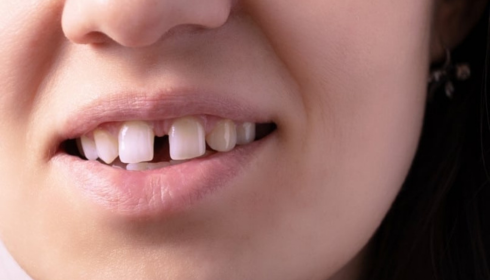
Not every small gap between teeth is a problem. Some gaps are simply part of your natural smile and don’t cause any trouble with biting, chewing or cleaning. In those cases, closing the space is mostly a cosmetic choice. Many people even like a slight front gap; it can be a unique feature.
Gaps become more of an issue when food constantly gets stuck, gums between the teeth stay irritated, or your bite feels uneven. Spaces can also be a sign that teeth have moved because of gum disease, missing teeth or thumb sucking in childhood.
If the gap is new or getting bigger, it’s worth checking why. Your dentist can see whether it’s just spacing, or if bone and gum support are changing. Options to close gaps include braces, clear aligners, bonding, veneers or crowns, each with its own cost and pros/cons.
The main point: don’t rush into treatment only because you saw a “perfect smile” ad. Ask yourself: Is this gap causing real functional or emotional discomfort? If yes, discuss options. If not, it might be one of those harmless quirks that make your smile yours.